

 Steve Bradley
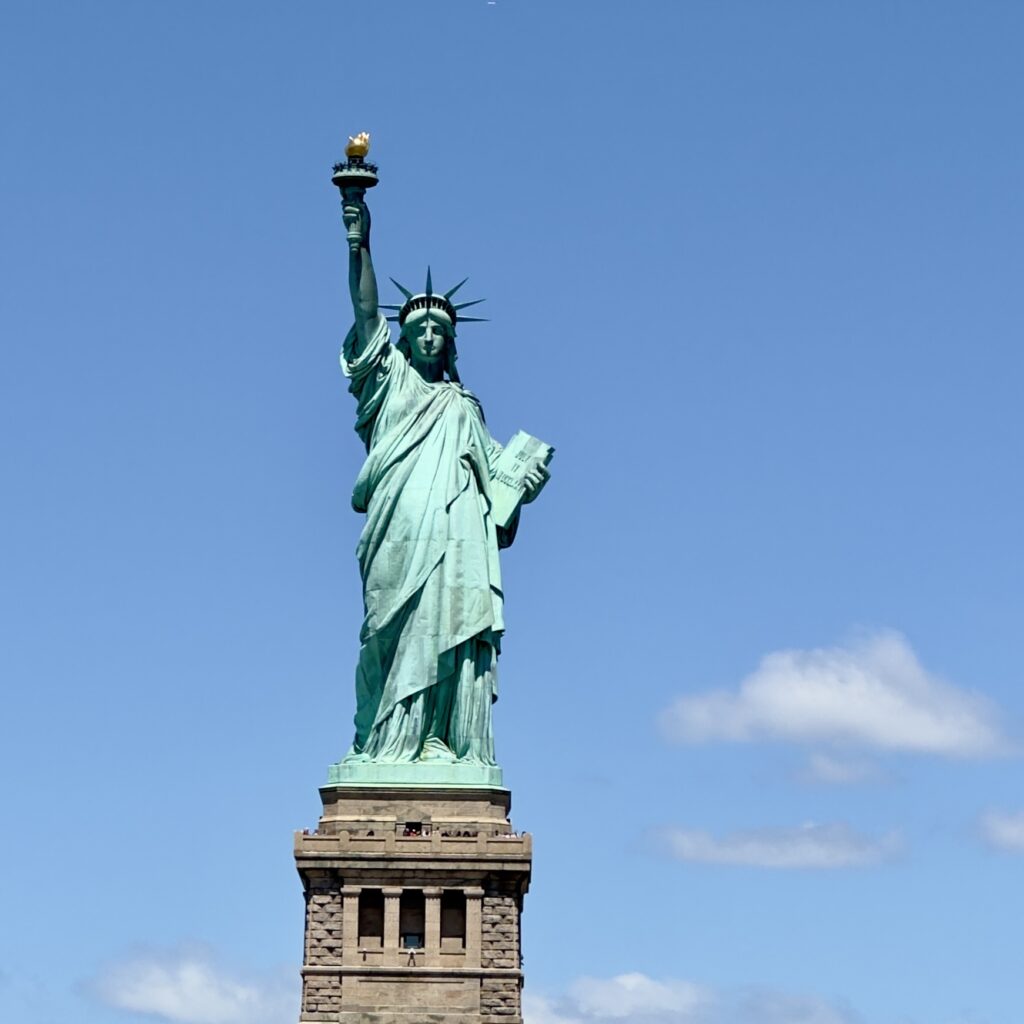
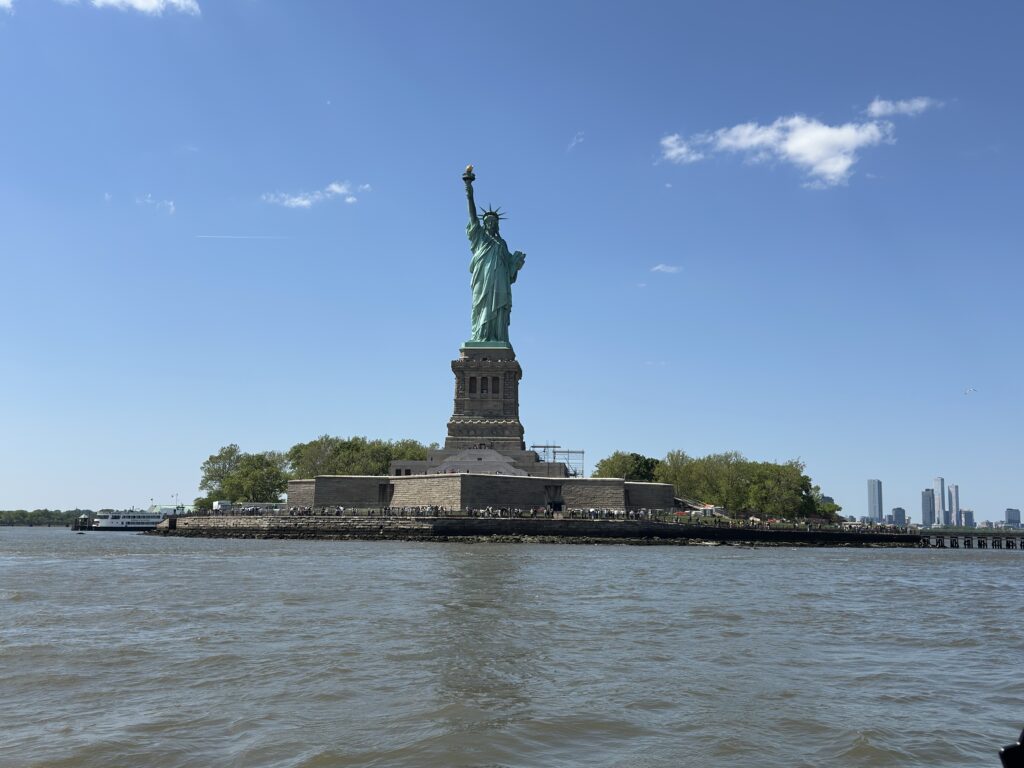
 We had one final goal before leaving the U.S. – to sail to and anchor beneath the iconic symbol of freedom: The Statue of Liberty. For us, sensing the political tension with the Americans we talked to, it felt very ironic to look at this strong freedom symbol. Known as the Mother of Exiles, she has welcomed millions of immigrants, embodying the promise of opportunity and a better life in America.
Her presence stirs a longing for freedom in people across the globe, standing not just as a monument, but as a symbol of freedom itself. Perhaps, in these uncertain times, that symbolism feels more poignant, more urgent and more iconic than ever.
Being on the move again after a few months in one location can be a little daunting because we always have to do a lot of planning by researching the area, the harbours, marinas, tides, currents, weather and routing. Some of the questions are always the same; Where is the best place anchor or moor? Can we buy groceries and the supplies we need? What will the weather do? Are there regulations that we must comply with? What’s our plan B?
So we took a deep breath, departed from Cape Ann Marina and went through the narrow Blyman Bridge again. This time in the middle of the day with a bigger audience than when we arrived. Anything with an audience is a bit nerve-wrecking😊
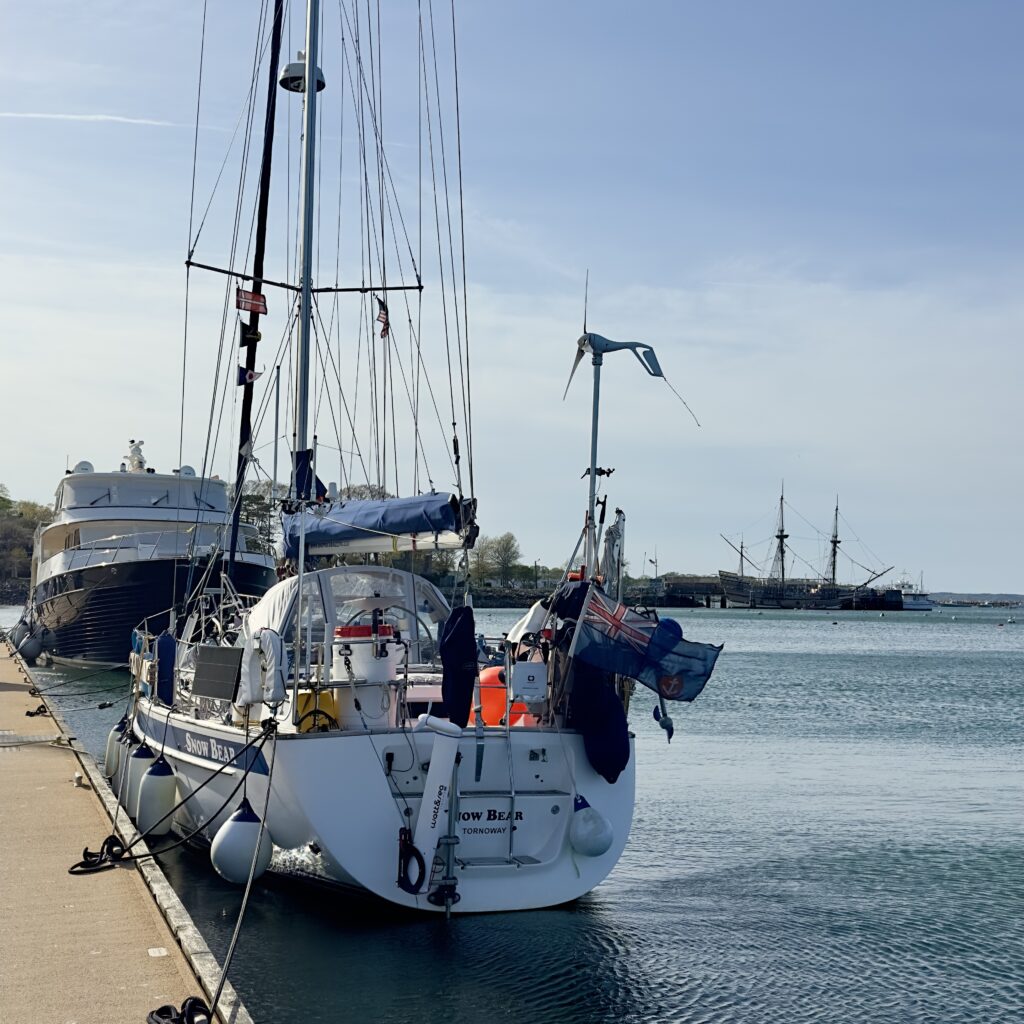
We ended up motoring on a sunny day to the historic port of Plymouth, where we could celebrate Steves birthday and wait out while a bit of headwind kept us in harbour.
Like many harbours in this area, Plymouth is shallow and has some serious tides and current, so we had to plan the entrance. As we arrived close to sundown and low tide, we decided to save the $140 for a dock (yes it’s getting increasingly expensive here) and anchored at a solid mud anchorage right by the entrance to the narrow navigable channel. The next day we headed into the marina.
A birthday celebration in Plymouth
Everytime we arrive at a place, we seem to fall into an important historic place – which is great. Plymouth is no different and probably one of the most important places. Especially for a sailor.
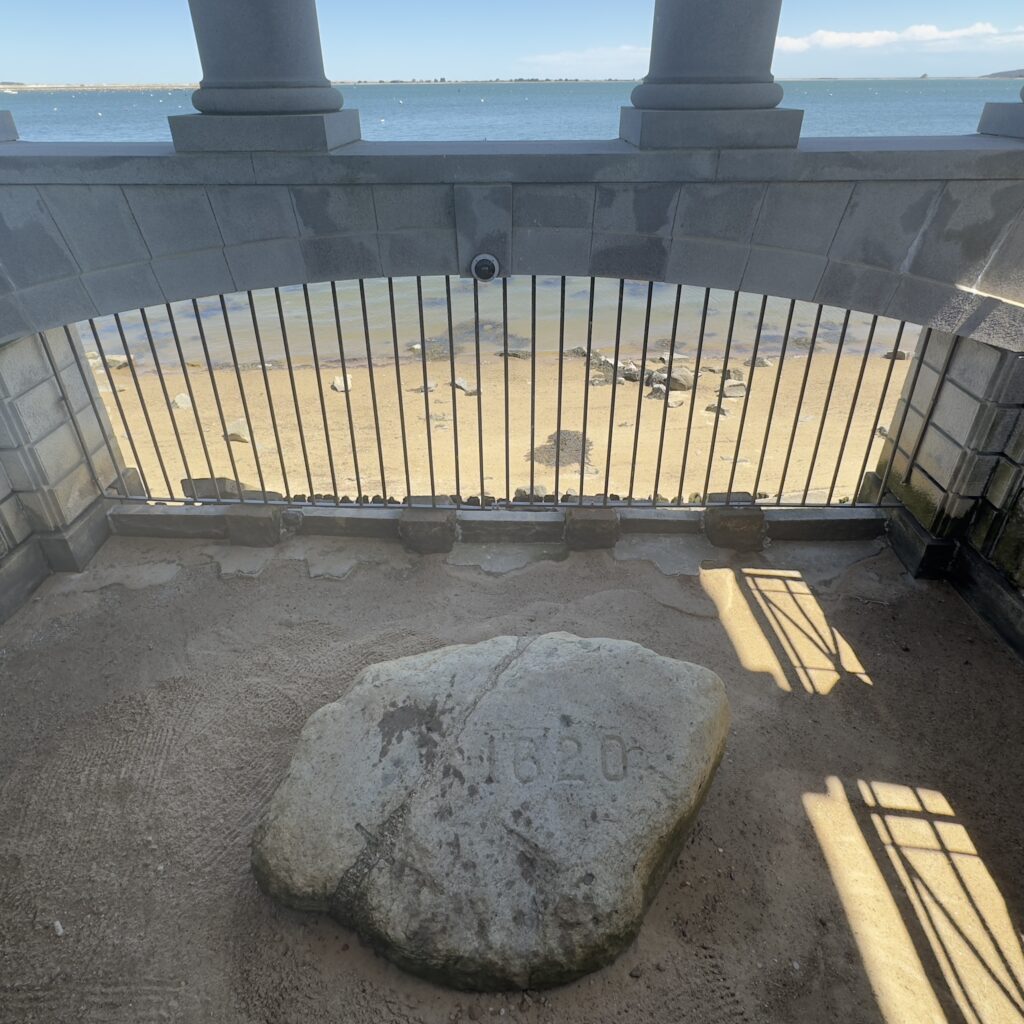
This is where the first settlers made their home after arriving on the Mayflower in 1620, and where the first Thanksgiving feast was believed to have been celebrated. The famous English explorer John Smith, known from the Disney movie Pocahontas, named the town. It is said that the settler’s landed by the now famous rock, the Plymouth Rock, that is guarded with cctv and a little shelter (as we all know stones do not like to get wet).
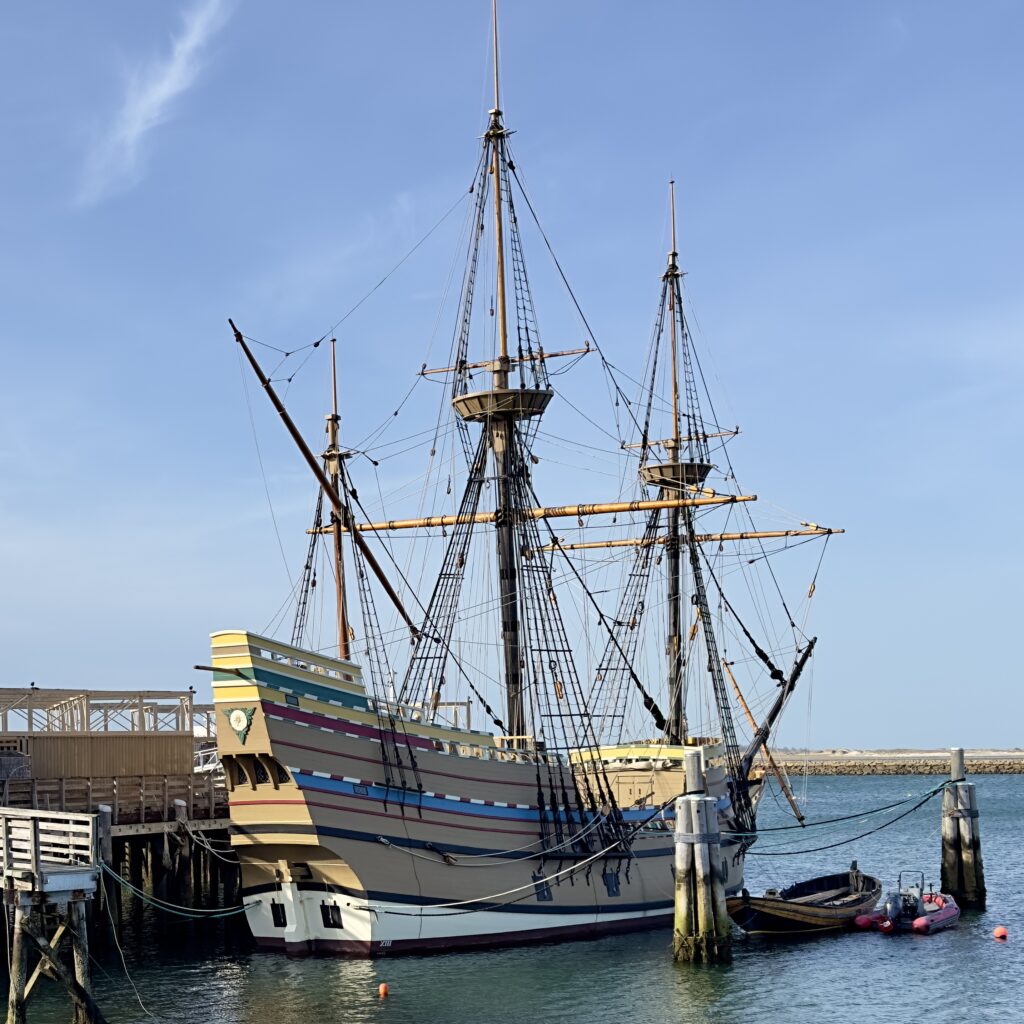
At the harbour it is possible to visit a true replica of the original ship. Mayflower II was built in England and sailed across the Atlantic in 1952, and then more recently completely restored by the Mass Maritime Academy. The Mayflower is the first iconic symbol of freedom we visit on this leg of our travels.
The town is very picturesque, so we decided to do what we do best: find a local bar. Steve is not a big birthday celebrator (unlike Sarah who loves it) and as people receiving packages at the marinas will notice, he normally justs orders the stuff he needs whenever he needs it – and most of that is boat stuff. So it was good to be in a town with a restaurant and bar.
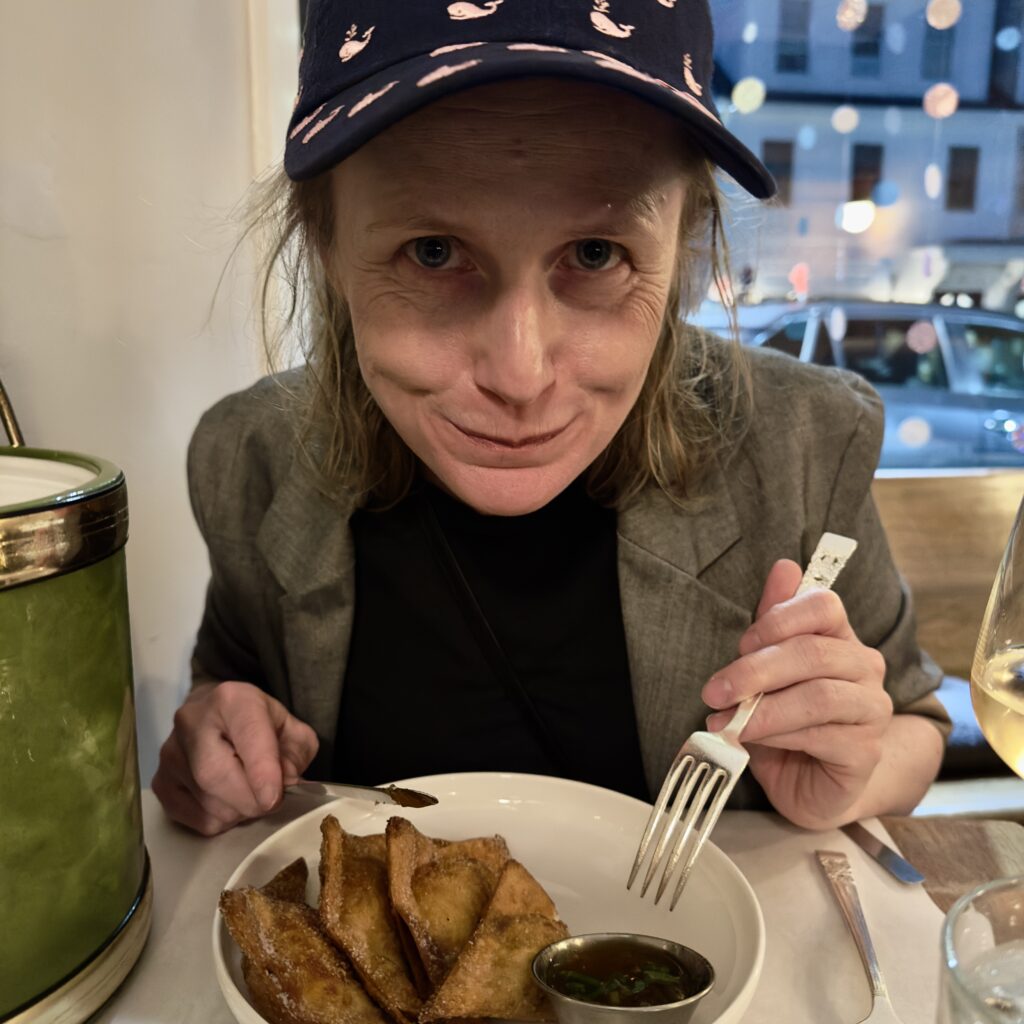
We had some fantastic cocktails at Honey Baby. The bartender was so helpful picking a cocktail from the exotic collection and would exchage it to another if we didn’t like it, so there was room to experiment. Then we had one of the best US meals at The Tasty on their thaifood Tuesday.
The Cape Cod Canal and Buzzards Bay.
The next day we had to leave for the Cape Cod Canal and that also takes some planning as the current is very strong and it can be busy with big cargo ship as well as fishing vessels and cruisers. So you do not want wind and current to be against you – or each other.
It’s a short toll free and lock free canal built over 100 years ago as a trading shortcut between Plymouth and New York, managed today by the US Army Corps of Engineers around 15,000 vessels of all sizes transit the canal every year.
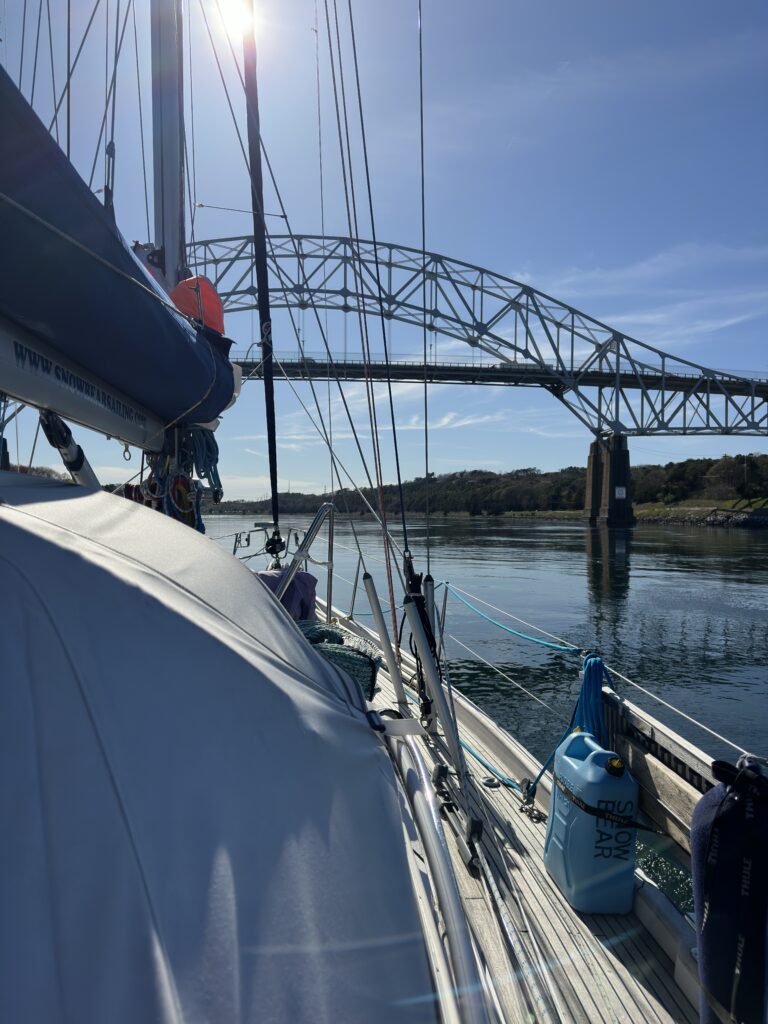
We timed the arrival perfectly and ended up motoring through on a sunny day with a max speed of 9.5 knots as a 5 knot current was pushing us along. You cannot sail through the canal, but motor sailing is allowed. There is a max speed of 10 knots all the way through and if the Cape Cod Canal Railroad Bridge is down, you need to be prepared to wait for it, before you can continue through. This could mean motoring against the current as there is nowhere to dock or anchor in the canal!
Once through the canal we entered Buzzards Bay at the start of the water known as Long Island Sound. We decided to anchor at one of the many anchorages right after exiting the canal.
Anchoring challenges in the US
It can be a little difficult to find anchorages in the US as a lot of the bays are getting filled with mooring buoys, which you usually have to pay for. As the whole coast line on the east coast is inhabited and as there are a lot of sailing vessels in the summer, most places have seen an opportunity to put down mooring buoys so they earn some extra money. At the most popular places they can also charge to money for tying up your dinghy to the dinghy dock. For this reason everyone we talked to has been surprised by just how expensive cruising is along this coast can be. We have been quoted as much as $6 per foot per night for a harbour mooring buoy, over $11 per foot per night for a dock, and as much as $75 per night for shore power plus $20 connection charge. It’s sometimes less expensive to stay in a nice hotel at the waterfront!
Visiting the sail racing capital of the US and onwards to Port Washington
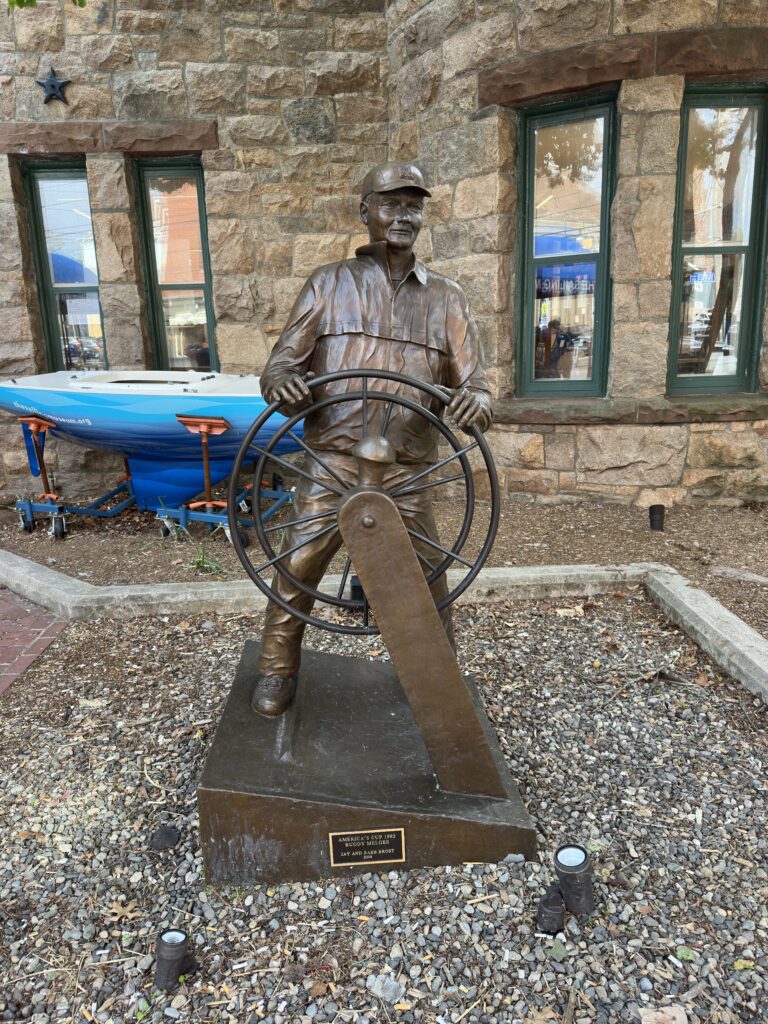
Established as a colonial seaport in the 17th century, Newport Rhode Island evolved into a maritime hub. It achieved global recognition as the host of America’s Cup races, a significant milestone contributing to its present title as “Sailing Capital of the World” (or as Steve prefers “Sailing Capital of America”). Newport’s colonial days set the stage for its maritime prominence and this can be seen today by its well-preserved architecture and historic landmarks. Playing host to the America’s Cup races, from 1930 until 1983 it attracted the world’s best sailors to its waters.
We decided to hide from some wind and had our first night on a mooring buoy. It’s now May but no water taxi service yet, and no water on the water dock.. too early in the season! The anchorage is a long way from the dinghy dock in bad weather so we wanted to make sure we could still get ashore for a beer without getting drenched from the waves in the harbour.
We also had a couple of nights at the anchorage and the anchor set well but we had to anchor quite close to the other 3 boats, because it is a popular place with limited space.
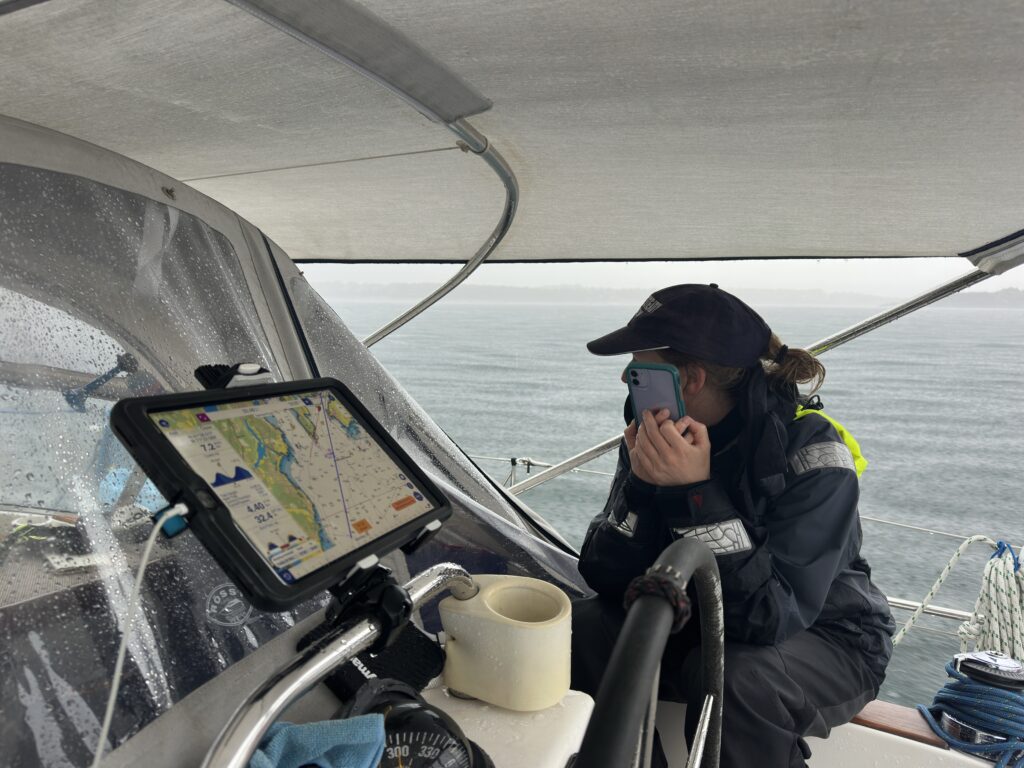
After a few nights there we headed out in the rain for Port Washington with a few stops along the way. One to note was a night in Oyster Bay where the impressive waterside homes included the summer White House of former US President Theodor Roosevelt and Billy Joels $50M mansion and estate.
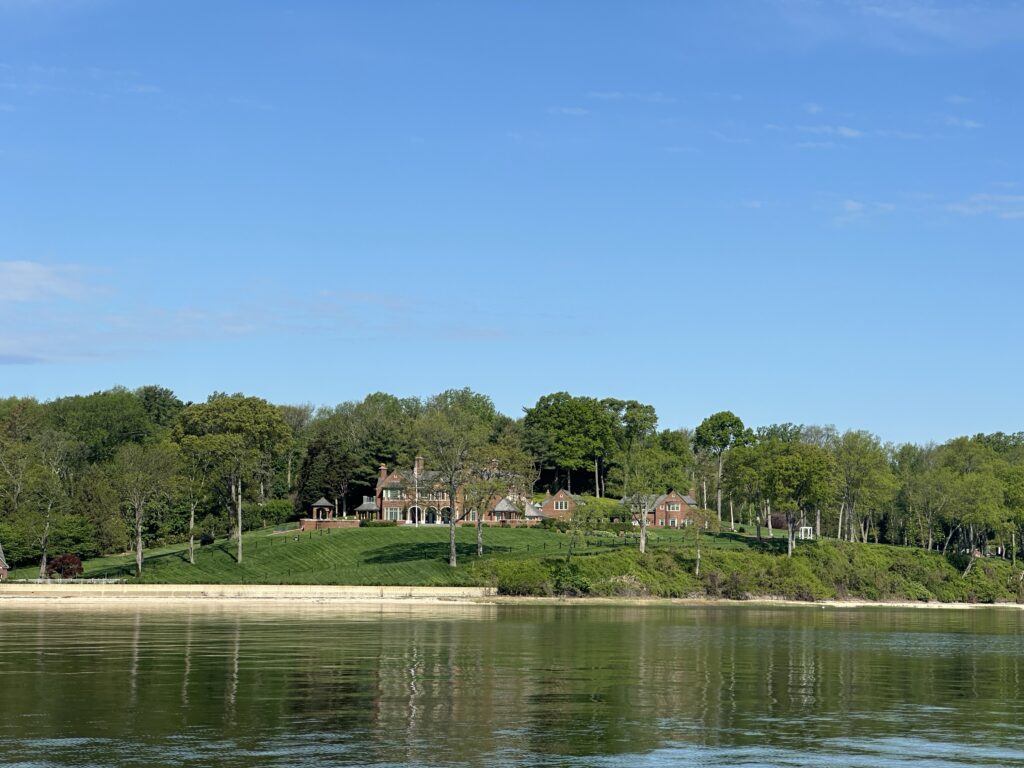
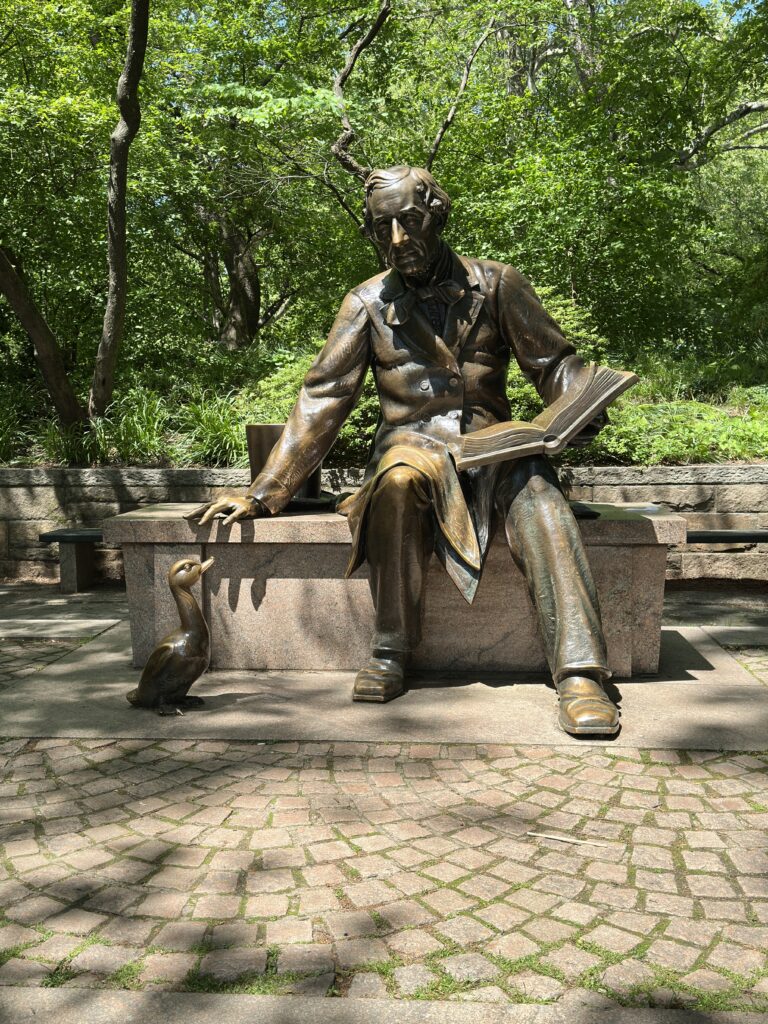
At Port Washington we read that the anchorage should be good and some public buoys could be used for $35 dollars a day including the water taxi into shore. For this area this is quite a bargain and we decided stay and take the train into Manhattan to visit a family friend and explore the lesser visited areas of upper Central Park. Port Washington is also a great staging place to time the passage through the tidal East River where the current can reach 4-5 knots at Hells Gate.
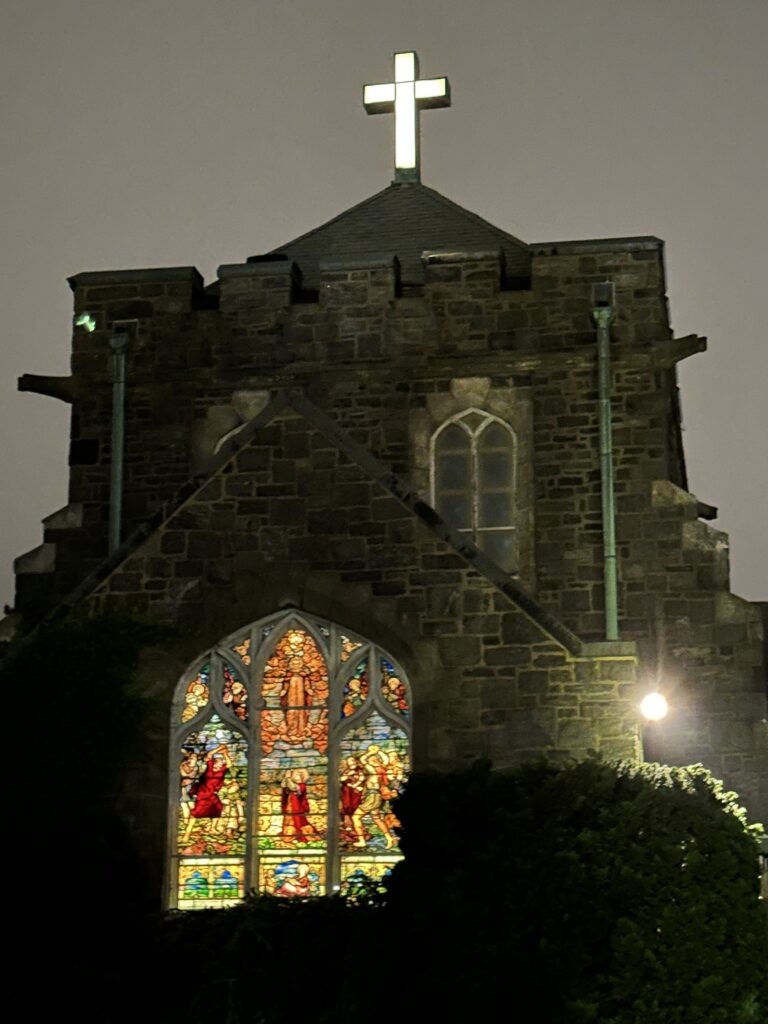
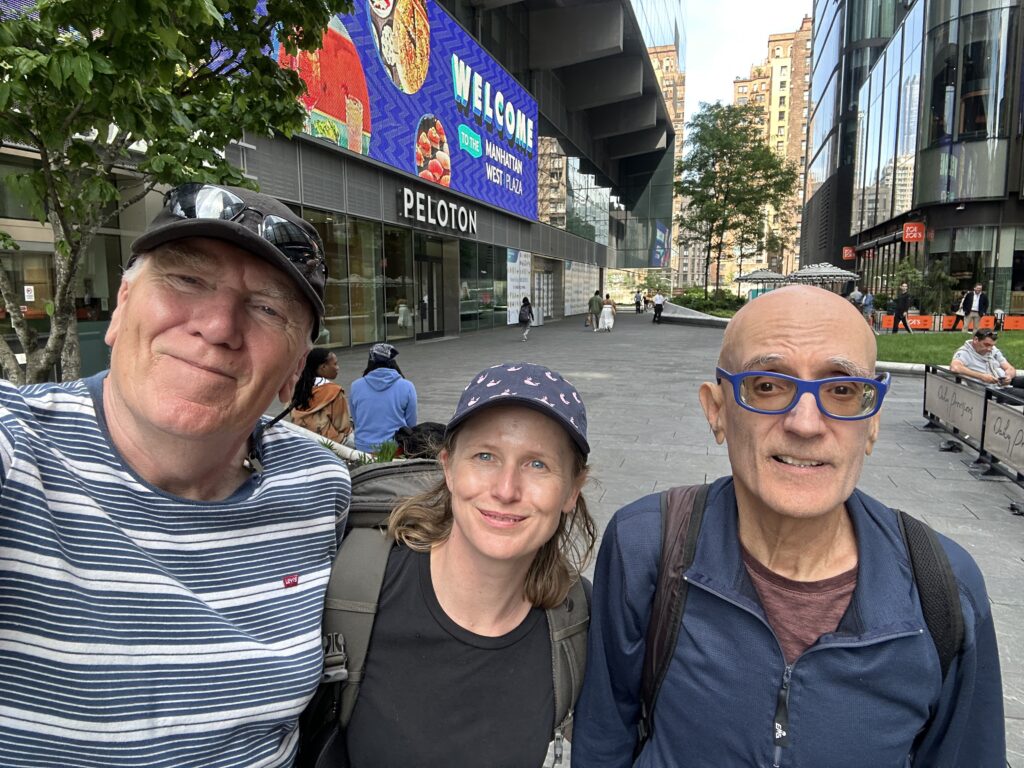
You may ask why did we not just park the boat in one of the marinas in Manhattan? We were a little overwhelmed by the prices in town – the most expensive offering a berth for staggering $1500 per night.
We sailed into NYC
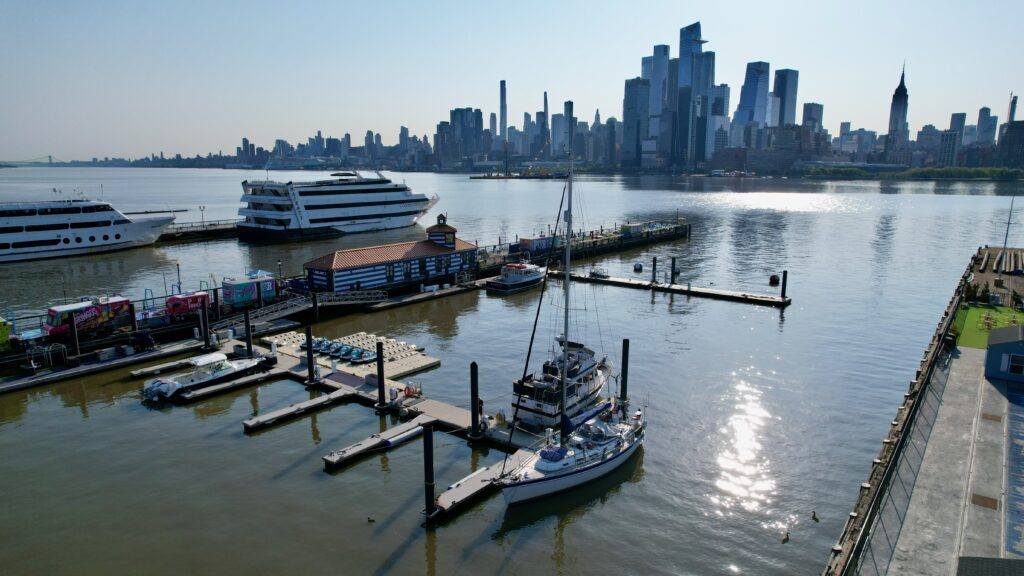
We planned one night in New York, and we stayed in Hoboken at the reasonably priced Shipyard Marina. It is a super friendly place with a really helpful owner. Situated on the Hudson River opposite Manhattan the marina is attached to Pier 13 Hoboken cocktail lounge. Just a short walk to nearby restaurants and bars, a supermarket and liquor store it is a spectacular spot. Its floating docs experience some wake from the neighboring Pier 14 ferry port but we didn’t find this a problem. You just need tie the mooring lines loose and put out lot of fenders. We discovered that the ferry only operated from 10am to 10pm at the weekends so overnight it was completely calm.
It is important to time your arrival and departure unless you are really confident of your boats handling capabilities – the tidal current across the narrow entrance and through to the marina can reach 4 knots so everything moves sideways at an alarming rate. We really enjoyed staying there and getting to watch the sunset over Manhattan and explore the friendly tree lined streets of Hoboken.
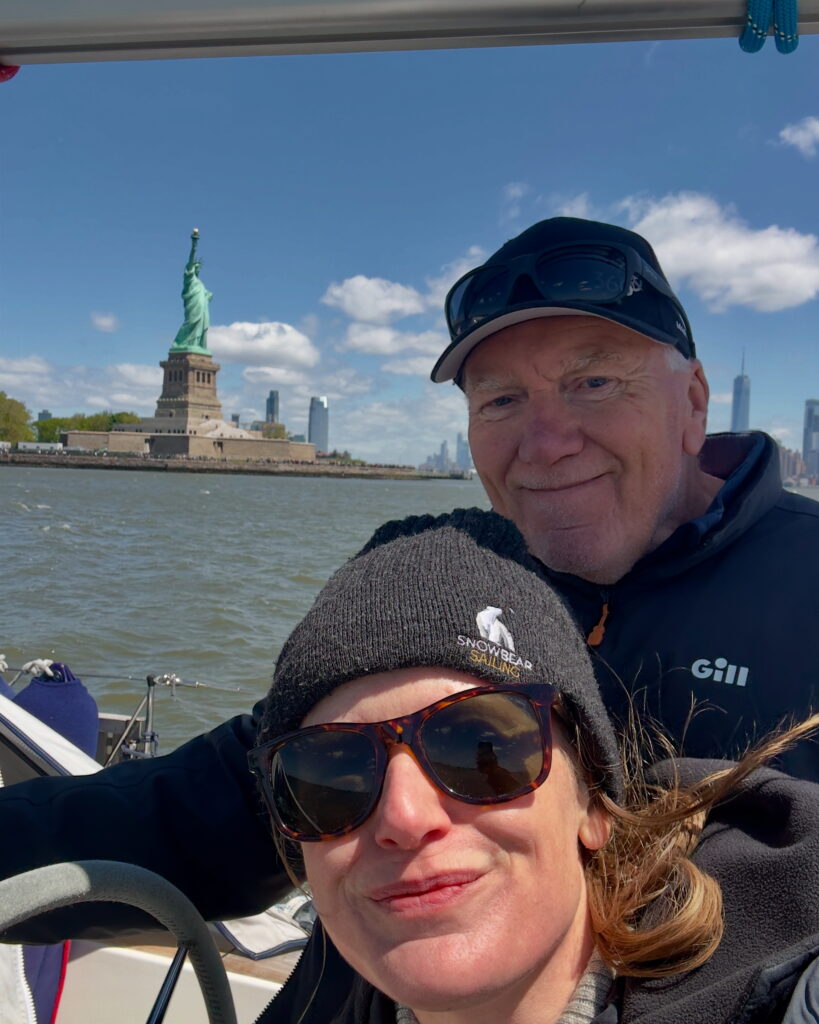
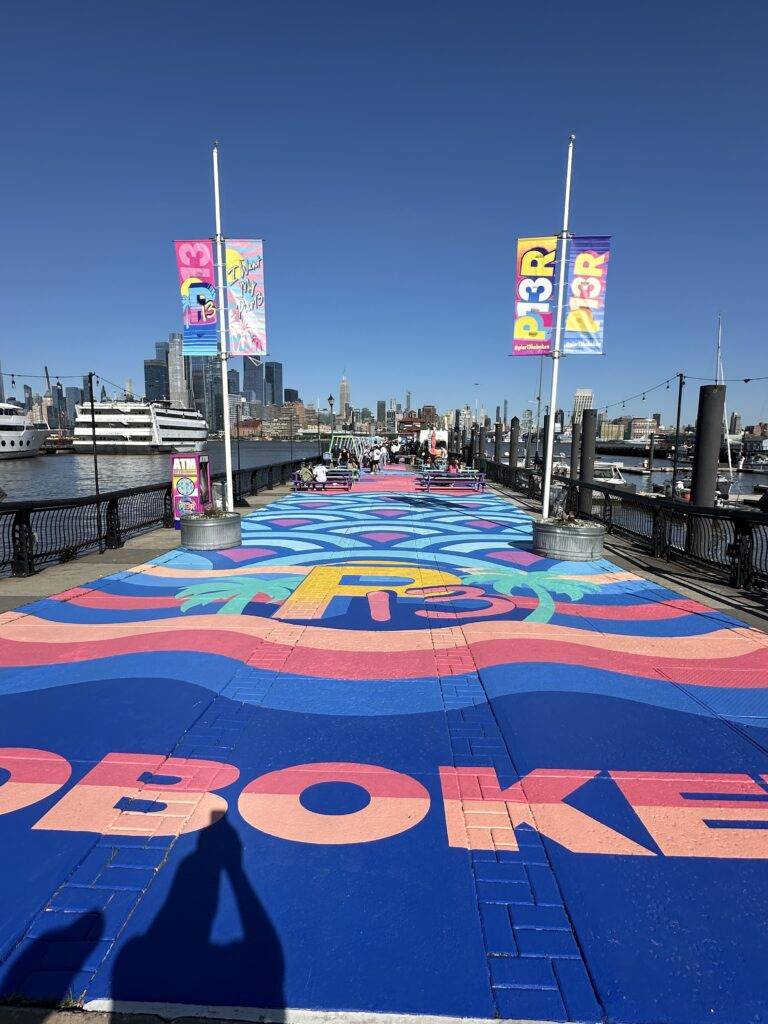
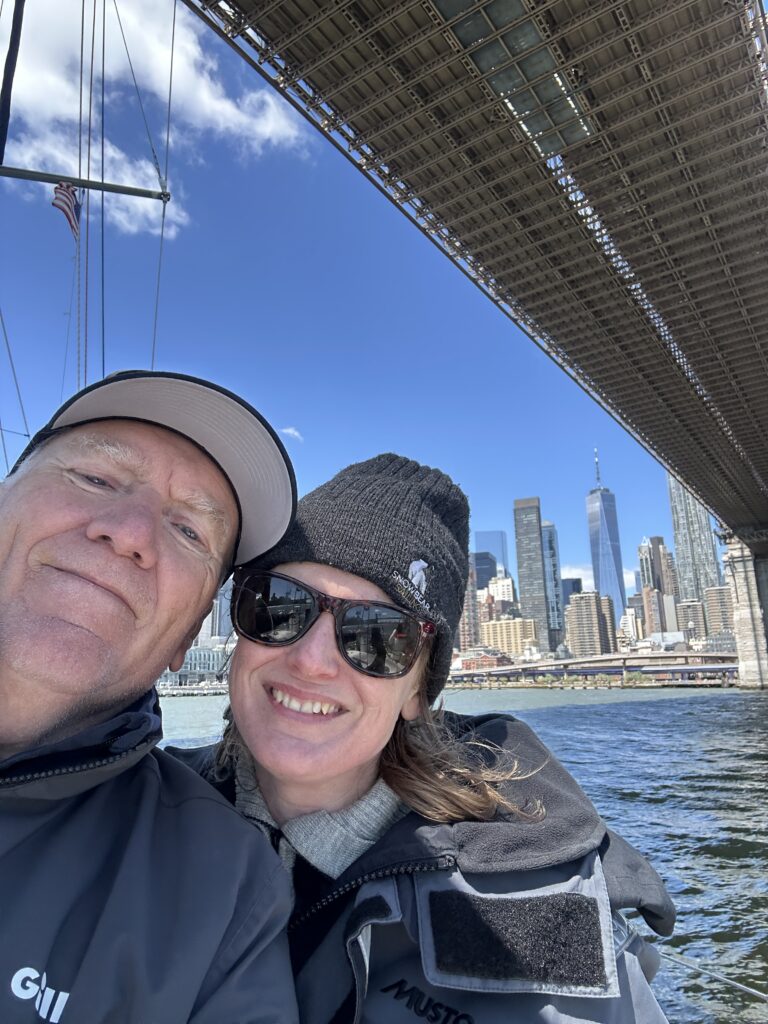
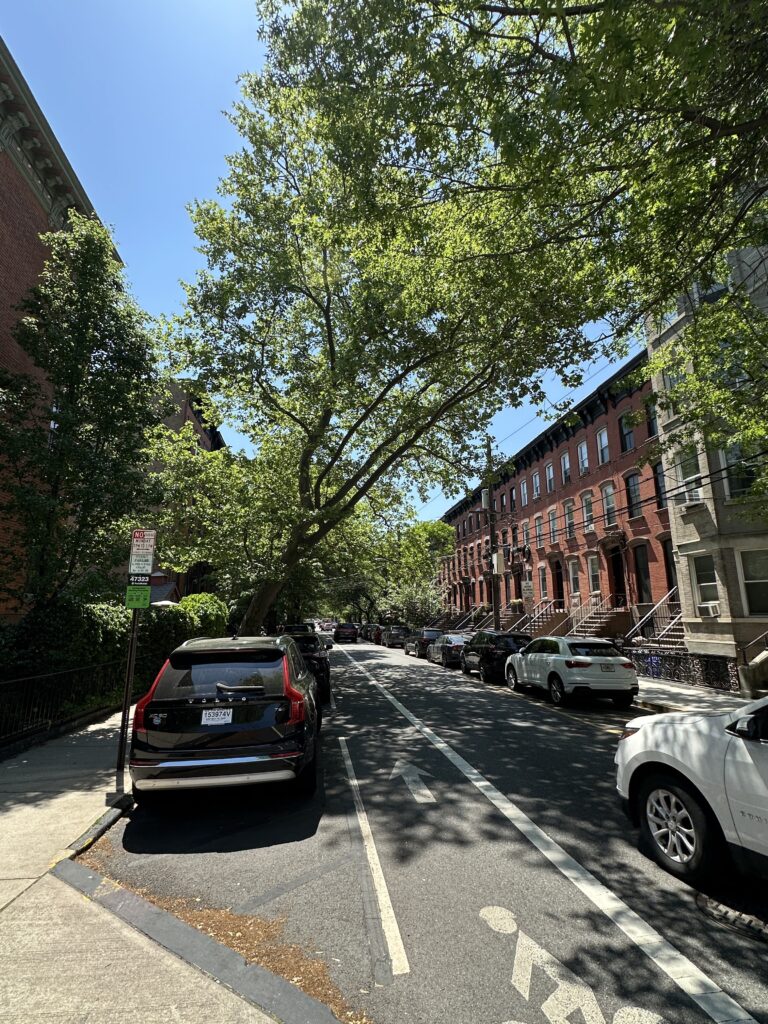
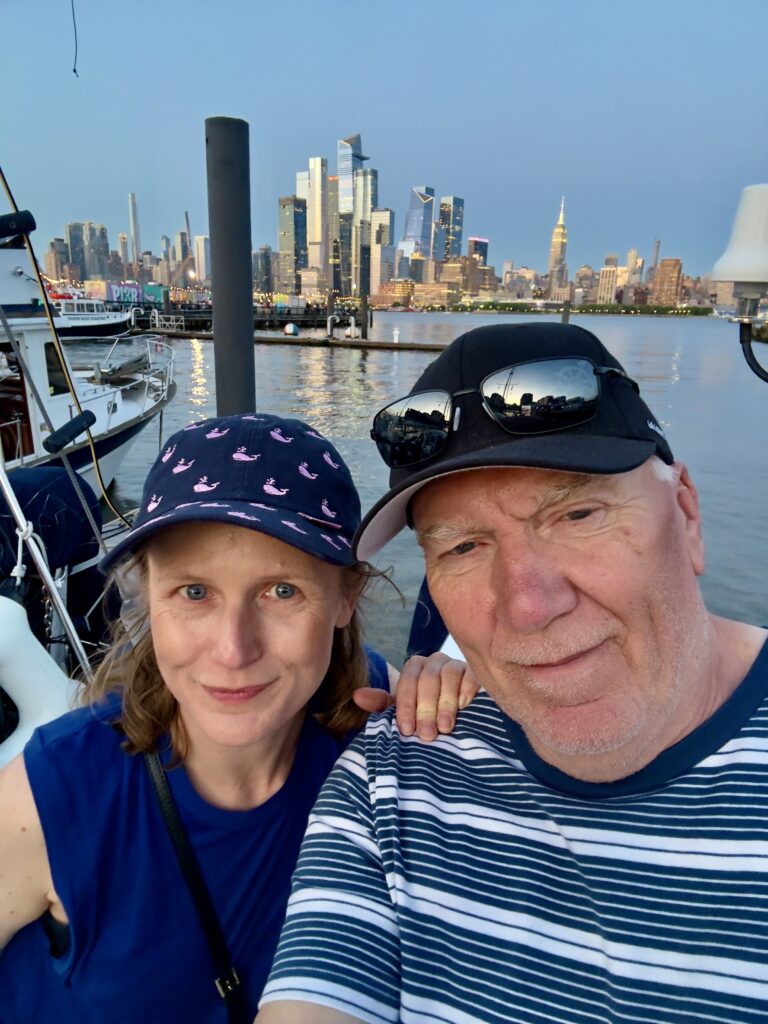
New York has to be the busiest and nosiest places we have sailed. There are no speed restrictions on New York waters and there is so much traffic. High speed ferries travelling at 30 Knots, tour boats, super yachts, ships, tugs, massive barges, high powered motor boats and jet skis everywhere you look while multiple helicopters are flying at what seems like just above the mast. All accompanied by endless sirens and the drone of the city. But it is an amazing feeling of achievement to sail into the heart of the city..
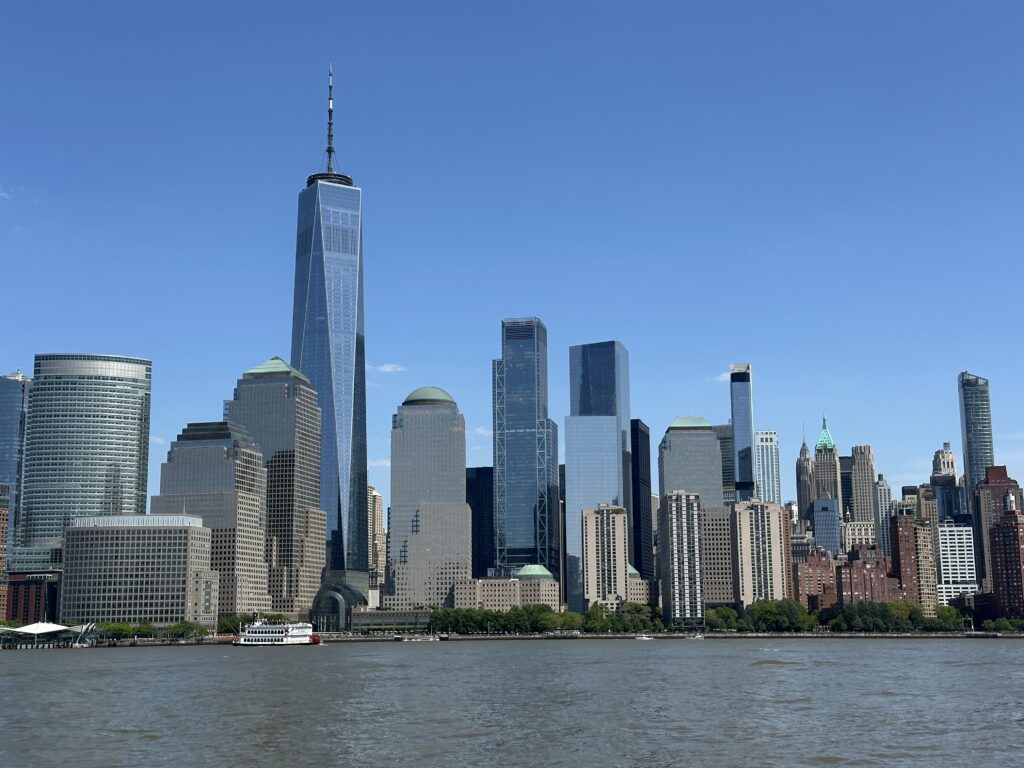
It was very windy when we were there so we chose to only anchor briefly at Statue of Liberty. The wash from the high speed ferry that runs right past the designated anchorage area every 20 minutes and endless tour boats makes this uncomfortable and a little unsafe. The seabed is also fouled and large areas are unsuitable due to many underwater cables, but we stayed for lunch and took in the sights.
Our friends later told us that they had found a marina in Brooklyn for $50 a night, but we had missed that one.
The historic Whaling port of New Bedford
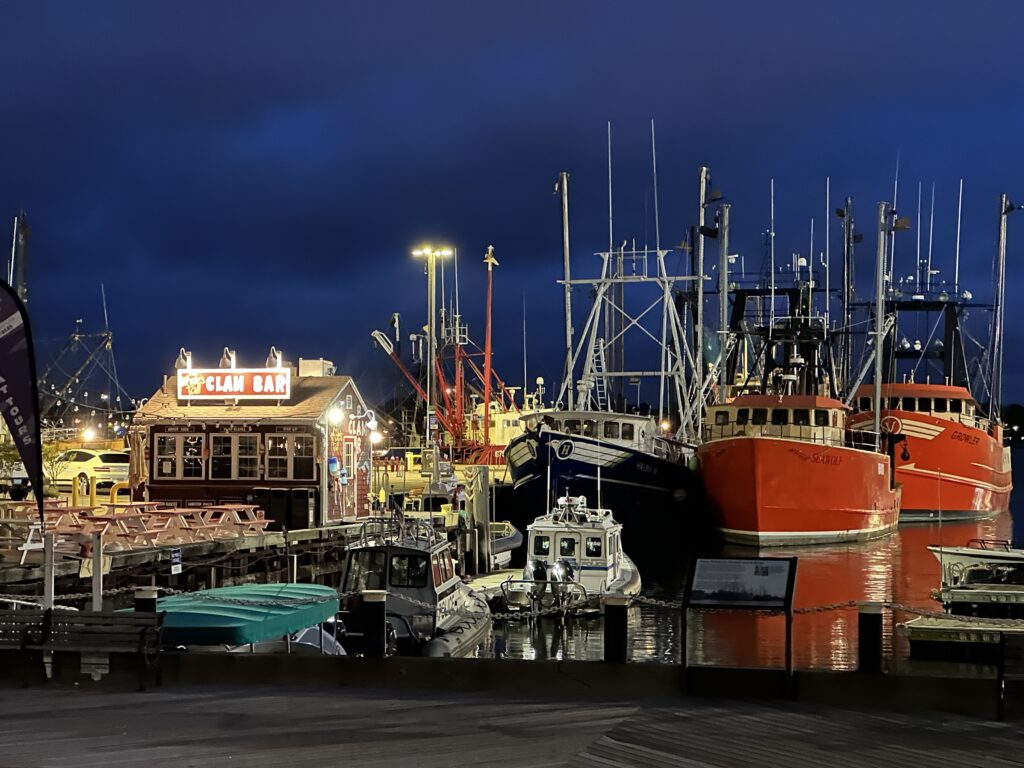
On our return journey, after another night at anchor in Port Washington and and an overnight anchorage at Sachets Cove on the east side of Rhode Island we sailed into New Bedford, one of the best protected deep water harbours in Buzzard Bay. It is protected by an impressive Hurricane Protection Barrier, built in the 1960s to protect the harbour and around 1,400 acres in New Bedford, Fairhaven, and Acushnet from tidal flooding associated with hurricanes and coastal storms.
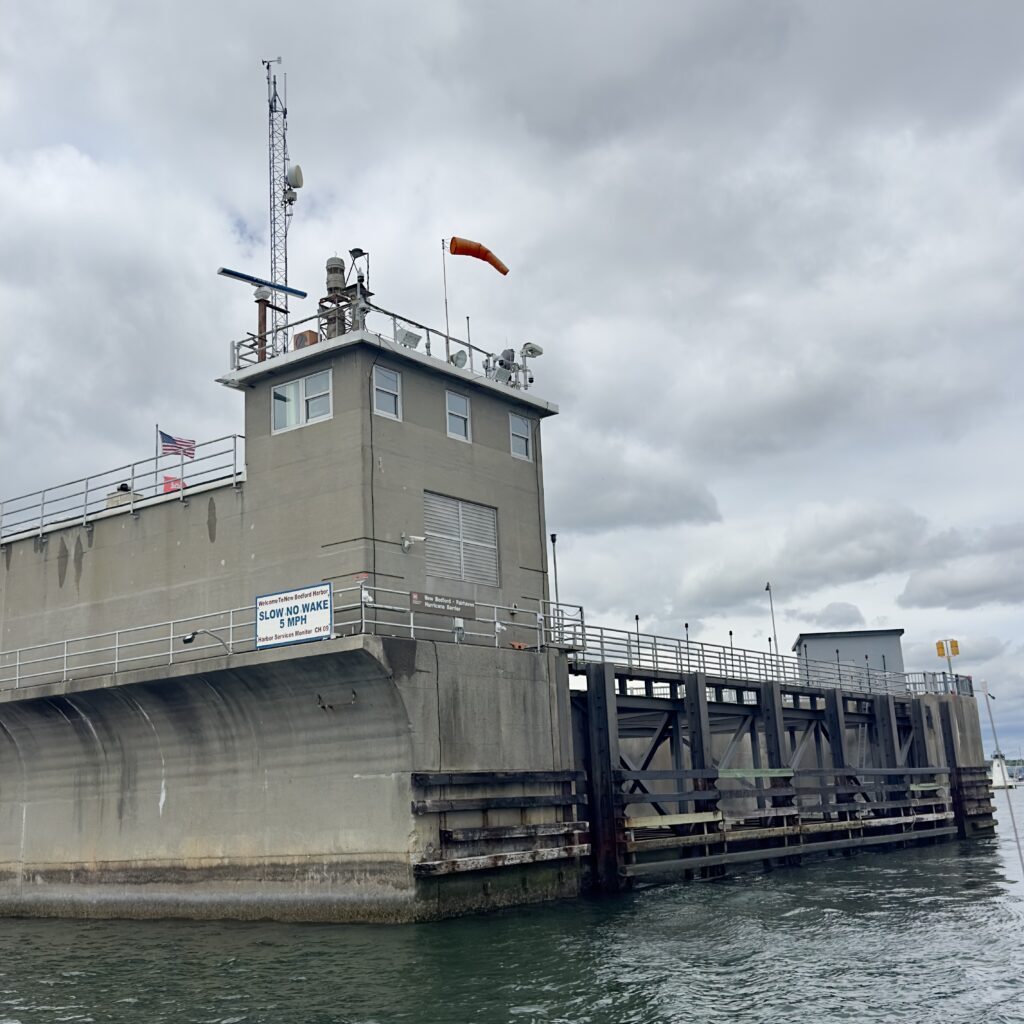
As we sailed through the massive gates in the centre of the barrier we knew that this place would keep us safe from the wind we were expecting, which fortunately was not going to be hurricane force.
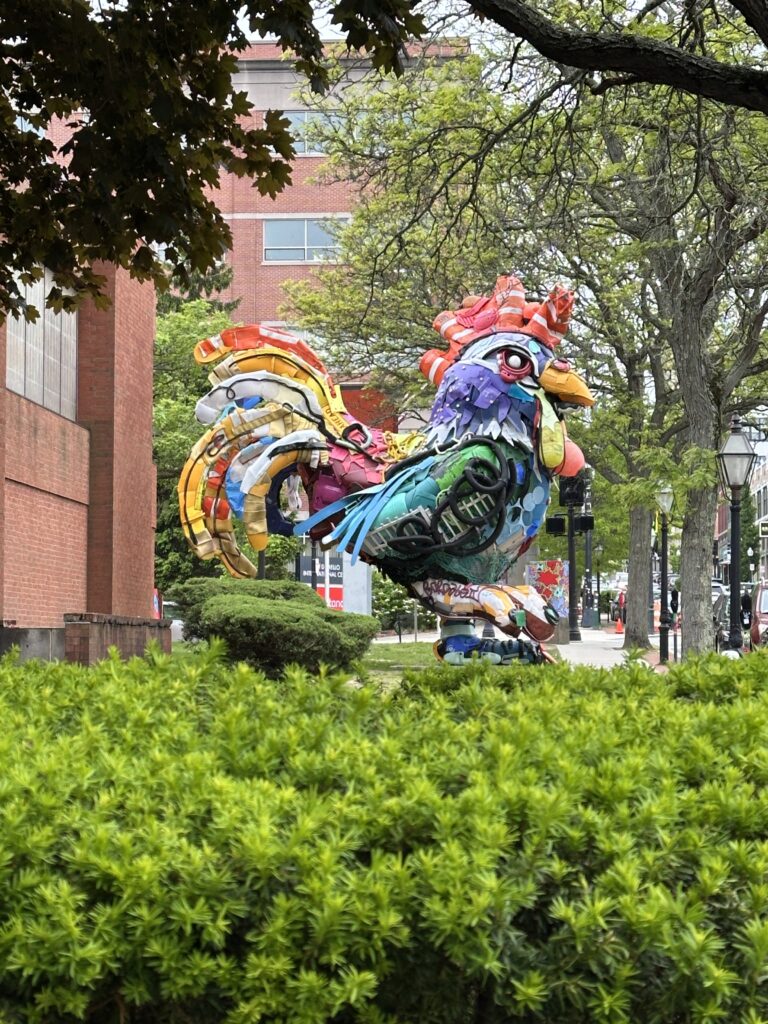
It is a little bit of a strange place as this at one point was one of the richest towns in the US, making their money from whaling, but now the town seems to be struggling a bit.
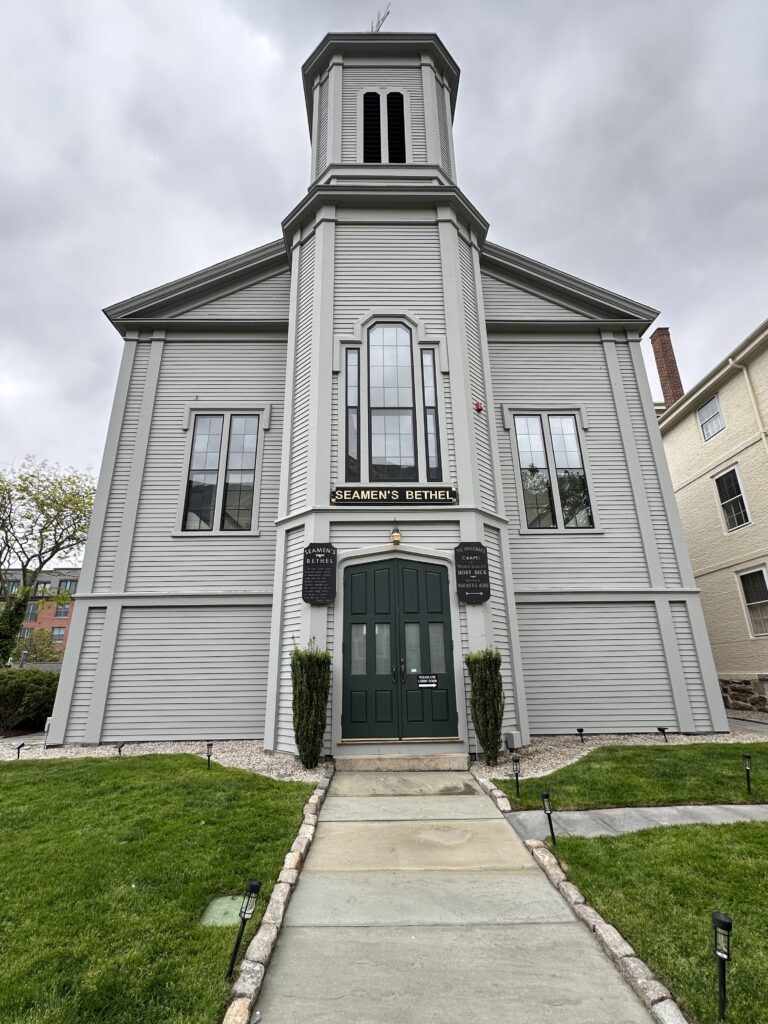
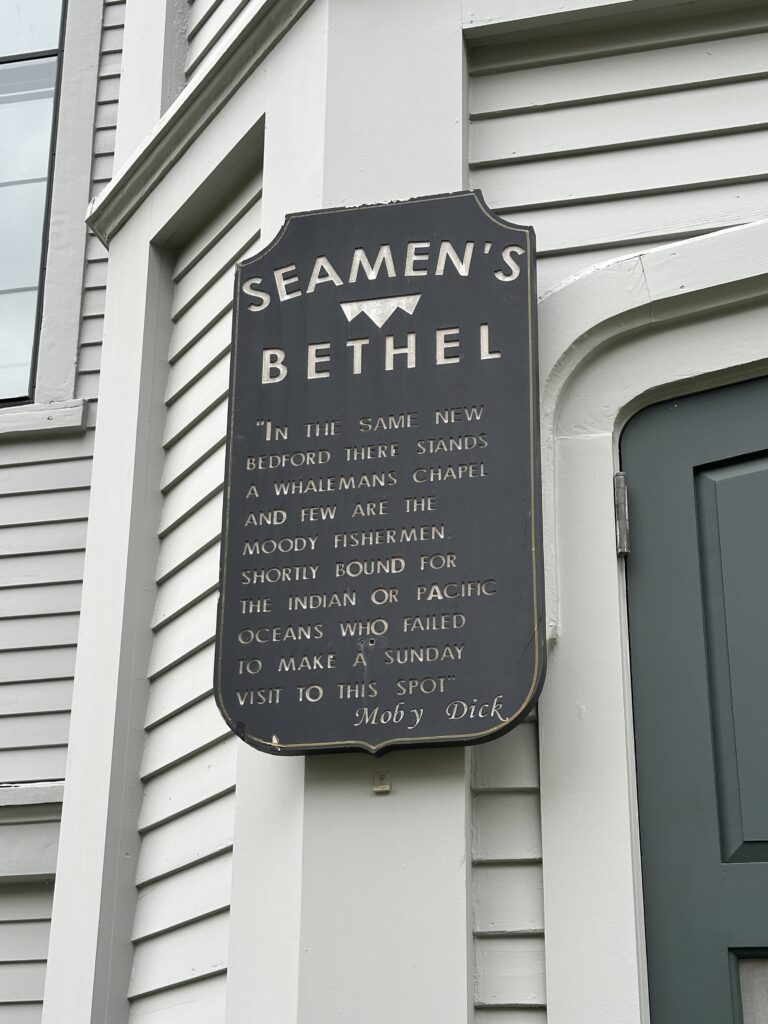
The historical part of town is very charming and it has a seaman’s church, which is mentioned in Moby Dick. The whaling museum is very pretty, but we struggled with the fact that the whaling is portrayed very glorified with little or no mention to the fact that their whaling empire almost caused the extinction of whales in most seas around the planet. This was only mentioned when we went to the local tourist information and saw a documentary about the history of New Bedford.
An unplanned pit stop in Portland before heading north again
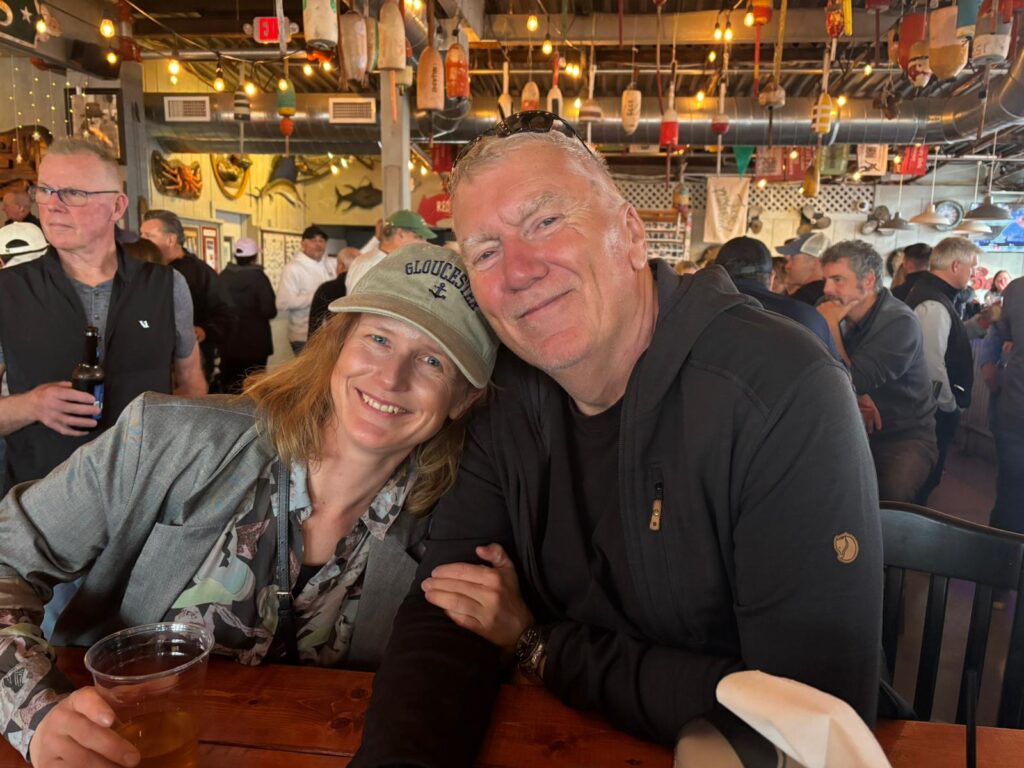
When we departed from New York we felt ready to leave the US. We went back up the coast and had a short goodbye stop at Gloucester before moving up the coast towards Maine and Canada.
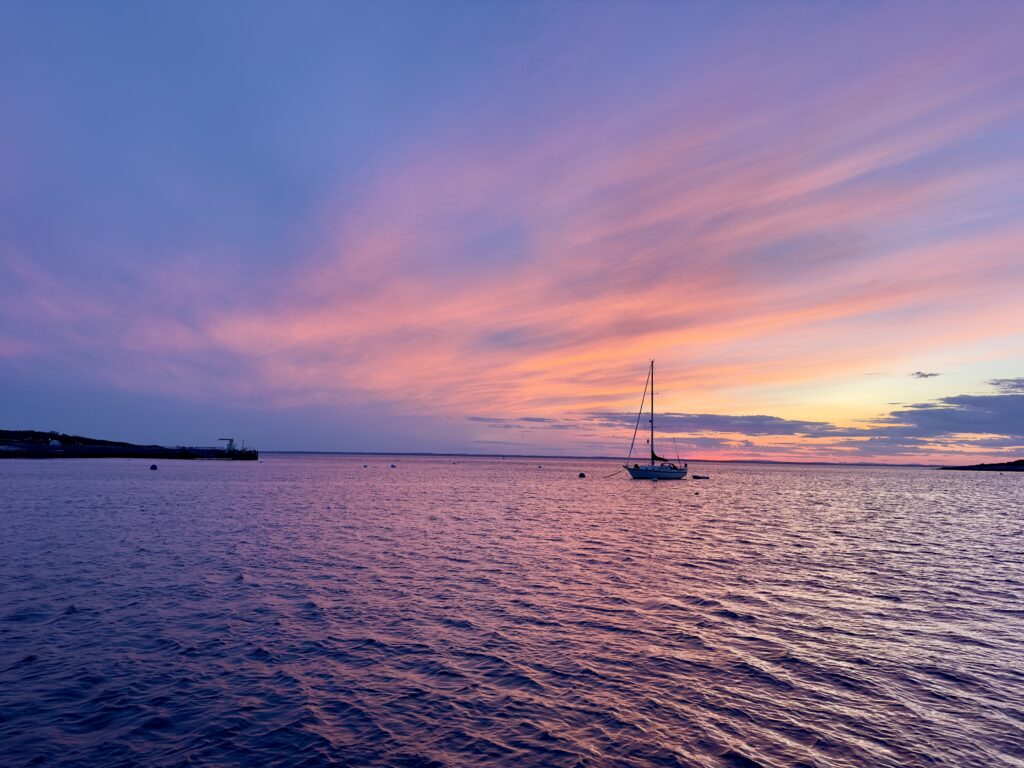
The weather was great for sailing and we made good progress stopping at a beautiful anchorage at the Isle of Shoals where we had a lovely quiet night.
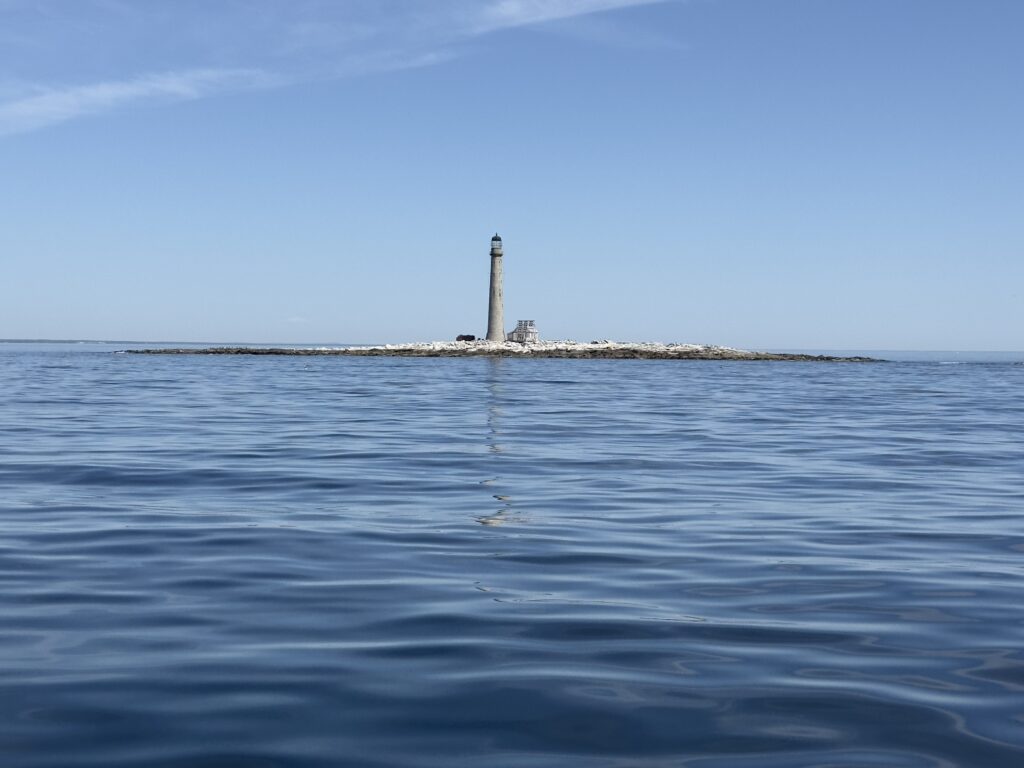
The next day after some more excellent sailing we went into what was supposed to be a calm anchorage, but it was full of dodgy looking mooring buoys with little room to anchor. We tied to a buoy and by reversing tried to test if it would hold the boat, we realised it was dragging it along. Unfortunately during this we bumped the keel a bit on a ledge. So we decided to get the boat out of the water and have it checked. A few phone calls later Portland Yacht Services was our best option as they had the capacity to lift us and do any work that may be necessary.
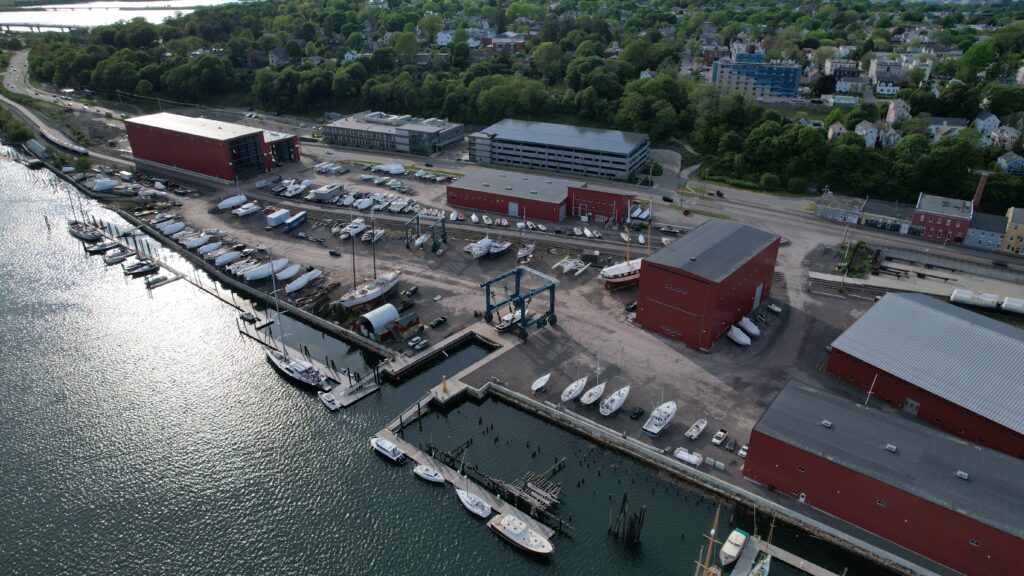
We had last fully anti-fouled the boat in Scotland two years earlier so we were due to come out of the water for underwater maintenance and had tentatively decided to do this in Canada. The keel damage was cosmetic so whilst the boatyard did a very professional job tidying up the keel with some epoxy and fairing, we spent the week painting the bottom with a couple of coats of antifouling and touching up blue stripes at the waterline. We even had the boat in a high lift so the underside of the keel was properly painted. Steve also checked all the skin fittings, removed barnacles from the bow thruster, replaced all the sacrificial anodes and serviced the prop. Sarah meanwhile set to cleaning and polishing the hull that had gotten rather yellow from the last couple of years sailing. It was also great to revisit some of the places in Portland we had first arrived into the US in the depths of winter.
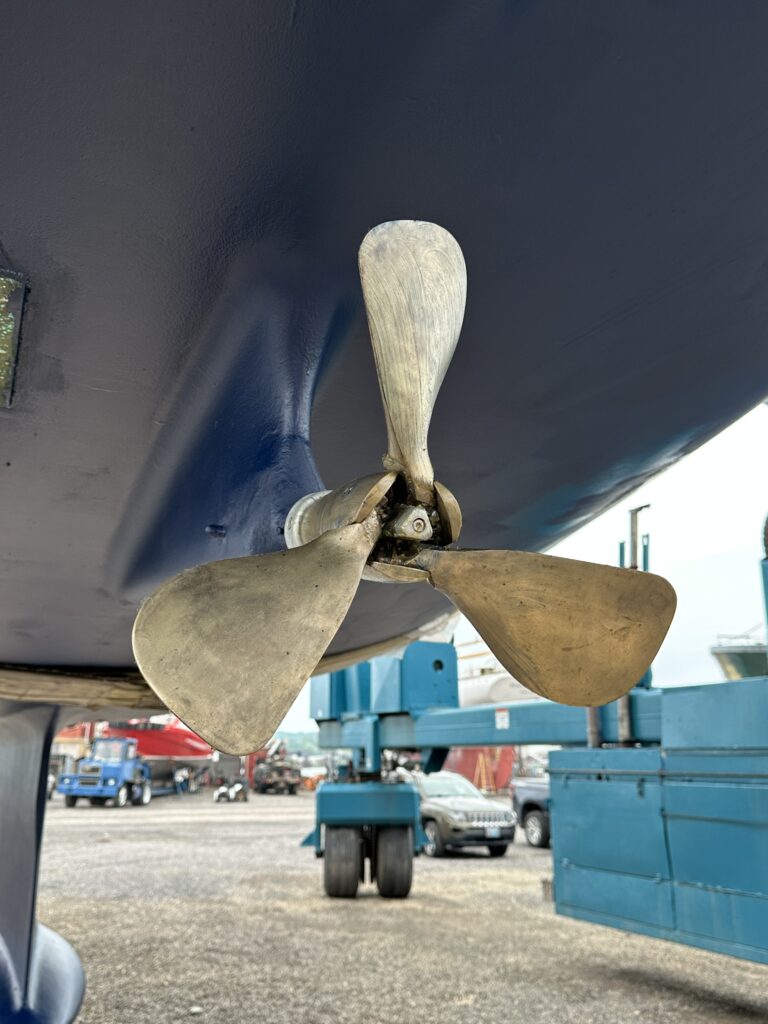
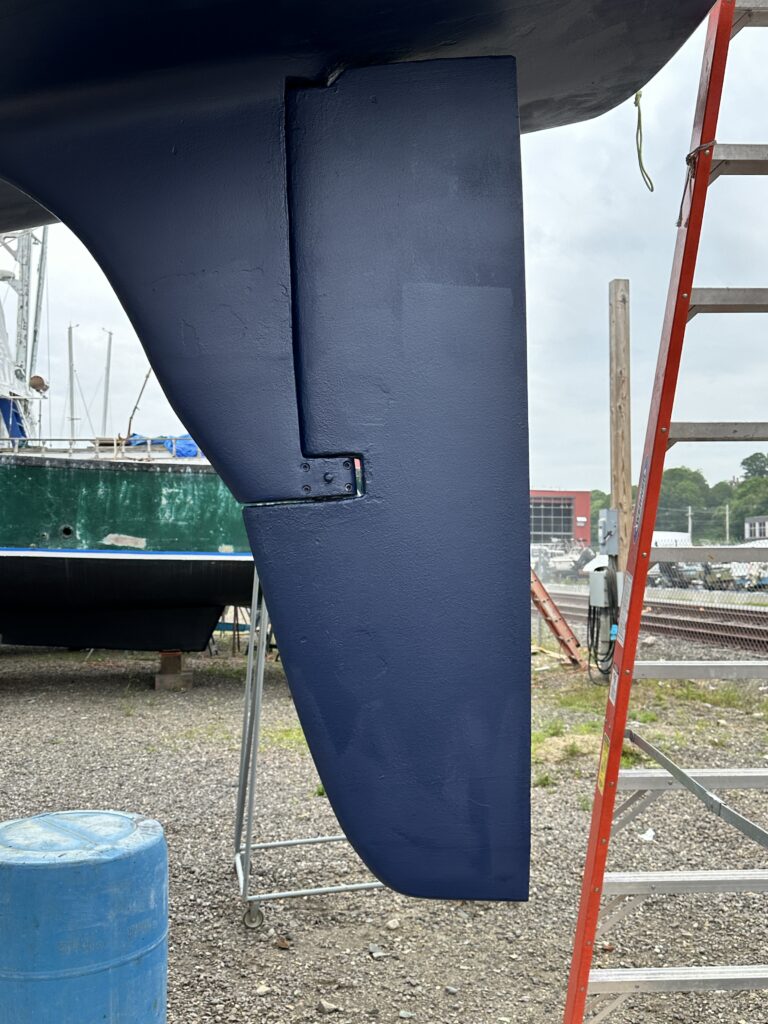
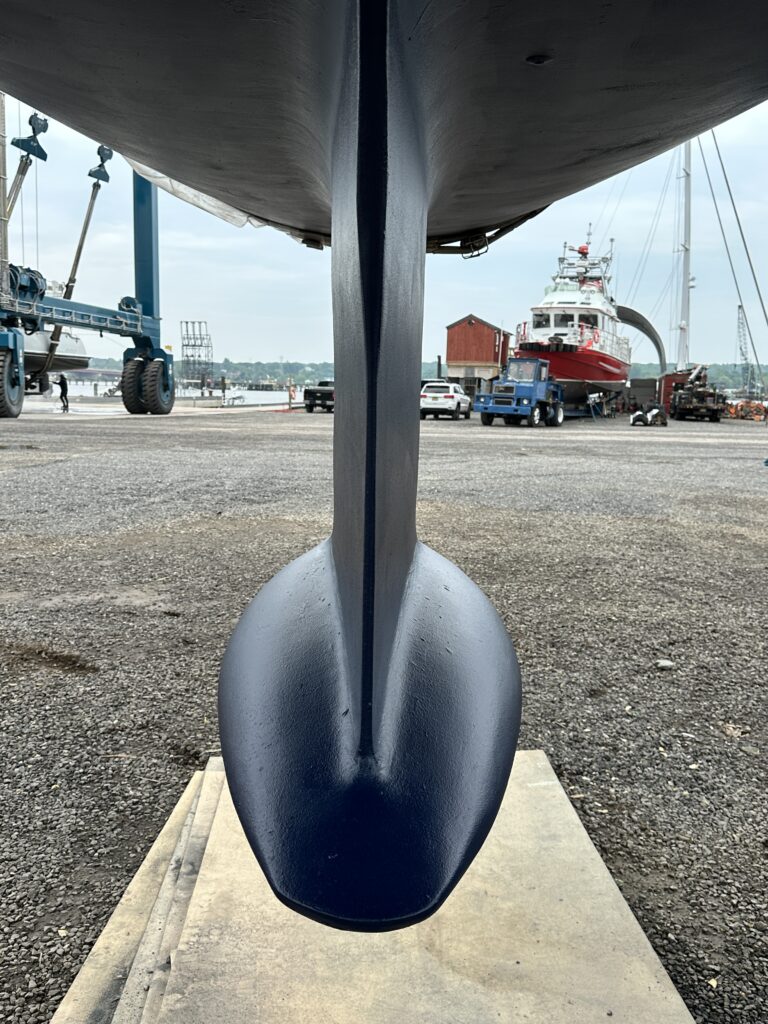
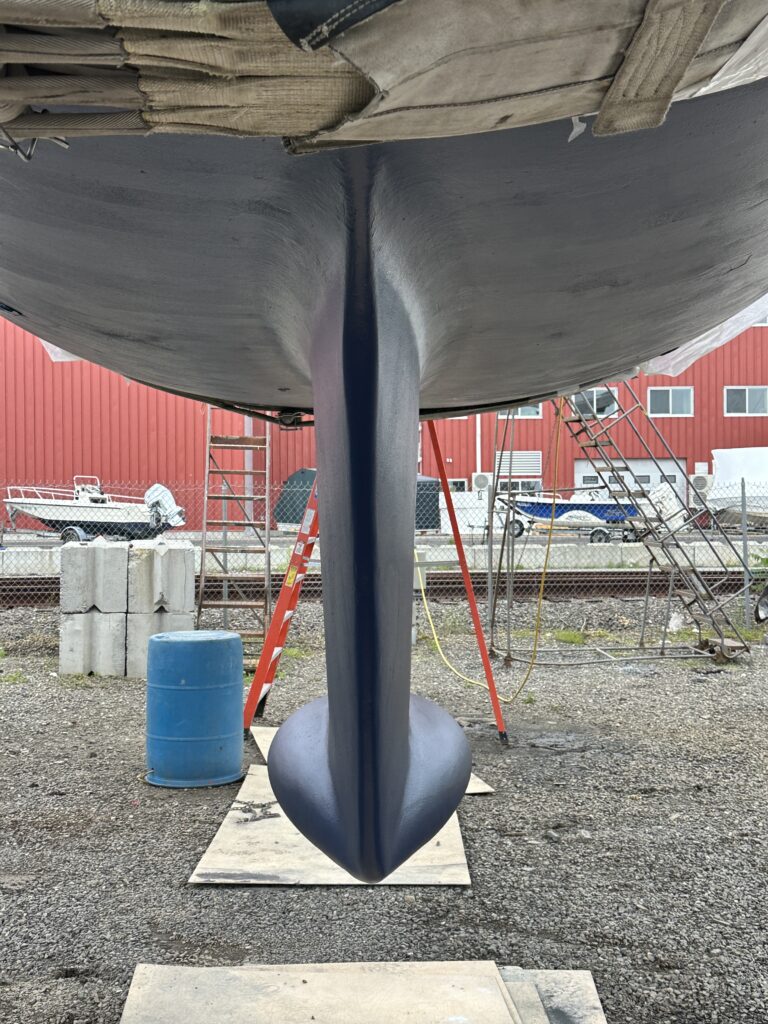
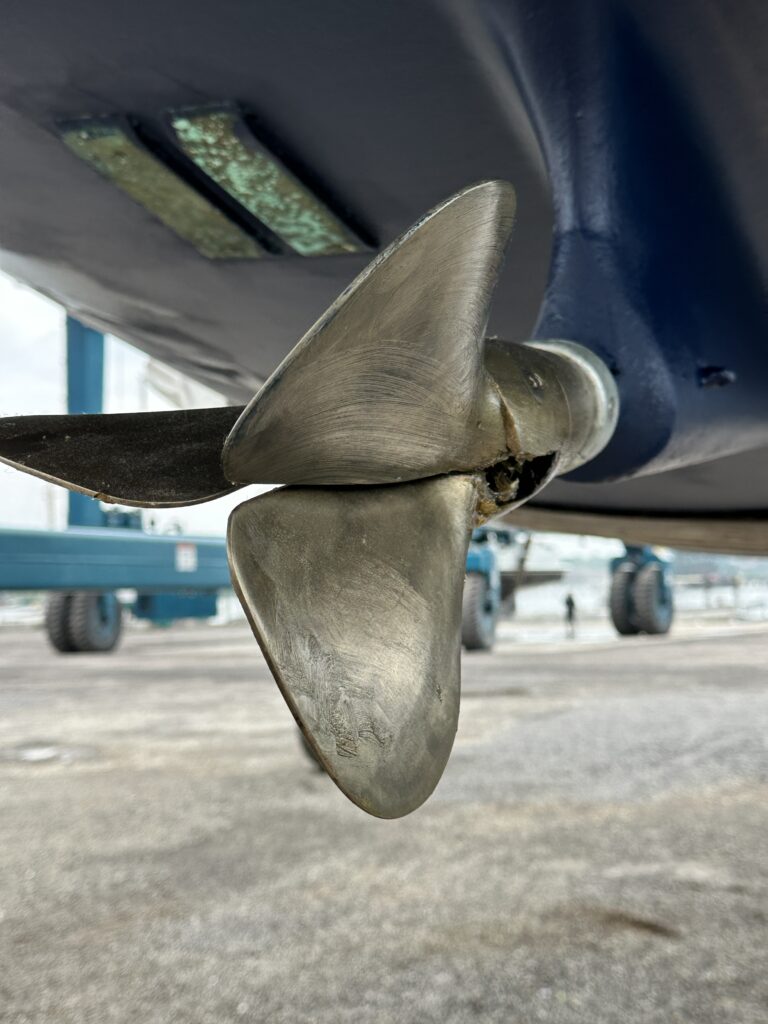
A week later we were back in the water and we checked out of the US and were on our way back to Nova Scotia, Canada.
Will there be Lobster pots?
Dockwa, crazy terms and inflated prices.
A lot of marina’s and harbours in the US insist that you book and pay and with the app called Dockwa. This app became one of our least favourite boating apps as it’s impossible to see availability and prices until you have entered your dates of arrival and departure for any given marina or harbour.
For example in a location like Newport there are perhaps 20 marinas to choose from. You have to repeat the process of entering dates for each one to find out which is available, what services they are offered and how much each will cost.
You have to pay for everything in full before arrival with terms and conditions that we really did not like:
- Firstly, it can be impossible to cancel or change your booking – even if the weather forecast where you sail from makes it irresponsible or unsafe to leave. It is only a Small Craft Advisory forecast at the booked harbour location that allows for charge free cancellation or changes. So you should only ever book last minute to avoid loosing your money.
- Secondly, the booking T&C’s have strict arrival and departure times like hotels, which most sailors might find hard to accommodate – especially as the arrival and departure times are not adjusted to allow for the tides and current. We haven’t been charged extra to wait a few hours while waiting for slack tide, or sufficient water to cross a bar but we don’t know how this works in the high season.
- Lastly some of the prices are just insane. Our sailing in the US has been out of season, and as a result facilities are often not available. No water, toilets, showers, laundry, or water taxi, no electricity, no clubhouse, no restaurant. In many cases no docks or just unserviced mooring buoys. In some cases you will be asked to leave the dock if there is a storm coming! But despite all this the rates are exactly the same as in the high season.
Discover more from Snow Bear Adventures
Subscribe to get the latest posts sent to your email.
A great read of your travels and to come up to speed. We just landed in Copenhagen ourselves. The boat will be wintered in Europe.
Let me know if you need any tips to Denmark and Copenhagen! I miss Copenhagen in the summer! Hope you are enjoying your new boat 😊